Googlebooks, designed to offer high-end hardware and seamless Android integration, were introduced as Google's answer to an Apple-like ecosystem. While Chromebooks hinted at this potential, they never fully achieved the desired level of laptop-Android convergence that Google initially envisioned. Googlebooks aimed to bridge this gap, promising an enhanced user experience and robust functionality.
However, the early rollout of Googlebooks has encountered some challenges. Despite the commendable hardware, the software has been criticized for being underdeveloped. A significant point of contention arose when initial Googlebook users discovered that the crucial "Find Hub" feature was missing. This omission means that applications cannot be installed on Googlebooks through Find Hub, and more importantly, these devices cannot be located using the Find Hub app. Google provided a brief explanation for the feature's removal but failed to offer a timeline for its reintroduction or any temporary solutions, leaving many users dissatisfied.
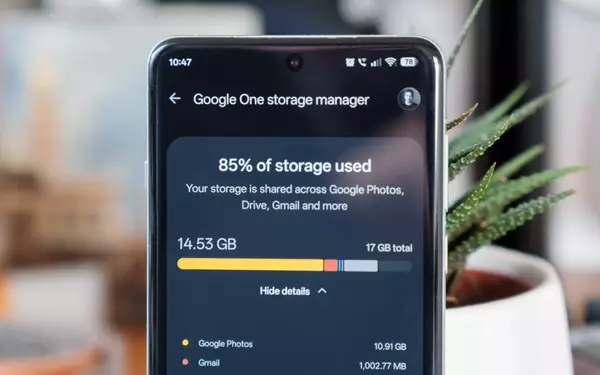
The absence of a reliable tracking feature for a high-priced device like a Googlebook is a major concern. Apple, a direct competitor, has long offered a robust solution for tracking its MacBooks, even when they are closed. Apple's Find My network utilizes low-energy Bluetooth signals, allowing nearby Apple devices to relay the MacBook's approximate location. This functionality has been available since macOS Catalina in 2019, providing a unified tracking system for both iOS and macOS devices. Given Google's extensive ecosystem of Android devices, it possesses the necessary infrastructure to develop a similar or even superior tracking solution. Google's past actions, such as the removal of unlimited Google Photos backups, further compound user distrust, highlighting a pattern of inconsistent feature management. This omission significantly impacts device security and user confidence, making the Googlebook a less appealing option for those who prioritize the ability to locate their devices.
The unexpected removal of Find Hub from Googlebooks, coupled with Google's initial lack of communication, is deeply troubling for consumers. While minor feature refinements are understandable, compromising device security is not. Without clear commitments or a roadmap for the feature's return, early Googlebook adopters face legitimate concerns about using their premium laptops in public. If an improved Find Hub iteration is being withheld for future Googlebook generations with new hardware, it would be a significant disservice to current users. For individuals who frequently commute or work in public spaces, the ability to track a lost or stolen laptop is essential. The absence of this critical functionality undermines the Googlebook's portability and value proposition, making it a difficult purchase to justify for many users. Google must prioritize this feature to restore user confidence and ensure their products meet fundamental security expectations.