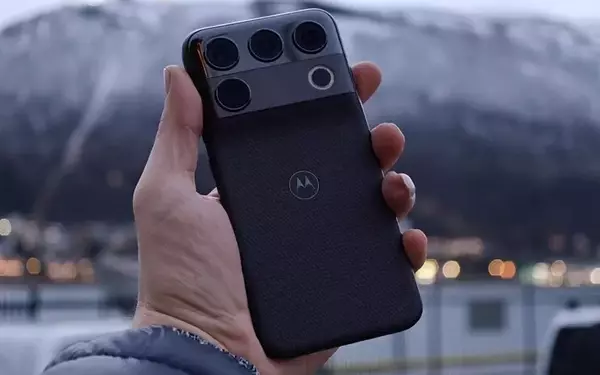
The Motorola Razr Fold (2026), a high-end foldable smartphone, has just received a much-needed software update, moving beyond its previous August 2026 security patch. However, despite this improvement, users are still expressing disappointment over the continued absence of Android 17, an operating system version that has already been deployed to numerous less expensive and older Motorola devices. This situation raises concerns among owners regarding the software support strategy for premium foldable phones.
Owners of the Motorola Razr Fold are observing a peculiar pattern in the distribution of Android updates. While their top-tier, nearly $2,000 device remains on Android 16, more budget-friendly and earlier models from Motorola have already transitioned to Android 17. The recent update for the Razr Fold, identified as software version W3WBS36.36-123-2-1 (and W3WBS36.36-123-5-1 for the Verizon variant), primarily consists of maintenance releases and security fixes, specifically incorporating the October 2026 security patch. This update, while welcome for addressing security vulnerabilities, does not fulfill the anticipation for a major operating system upgrade.
Motorola has attempted to explain the delay in delivering Android 17 to the Razr Fold. According to the company, the unique challenges posed by foldable technology, particularly the optimization required for dual screens, multitasking capabilities, and seamless transitions between the cover and inner displays, necessitate additional development time. The Razr Fold had participated in Motorola's beta program for Android 17 months ago, leading users to believe a stable release was imminent. Yet, even with these explanations, the decision to prioritize the Android 17 rollout for cheaper models, such as the Razr Ultra 2025, Edge 60 Fusion, and Edge 60 Pro, over a significantly more expensive flagship device like the Razr Fold, has left many users perplexed.
This disparity in update rollout speeds brings into question Motorola's commitment to long-term software support for its high-end devices. While promising up to seven major Android upgrades for new flagships like the $1,600 Signature 27, the current situation with the Razr Fold suggests that the mere number of promised updates might not accurately reflect the actual waiting period for their delivery. The challenges of optimizing software for foldable screens are undeniable, but for a company marketing premium devices, these complexities should ideally be factored into their update timelines. The ongoing wait for Android 17 highlights a critical aspect of user experience that goes beyond hardware specifications and initial price points.
In conclusion, while the Motorola Razr Fold has received a necessary security update, the continued absence of Android 17 remains a point of contention for its owners. The company's justification for the delay, centered on optimization for foldable technology, does not fully alleviate user frustration, especially given that less expensive Motorola devices have already received the upgrade. This scenario underscores the importance of timely and consistent software support, particularly for premium smartphones, and raises questions about Motorola's strategic approach to its device update cycle.