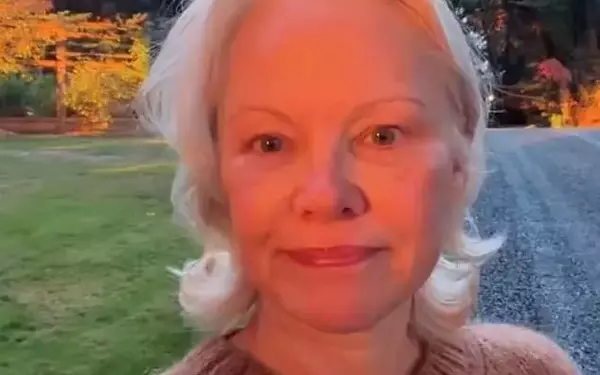
Zoe Marshall, a well-known media personality, has recently unveiled a deeply personal chapter of her life, revealing her secret 11-month journey with Prozac. This confession comes after years of openly expressing skepticism and judgment towards individuals who relied on antidepressant medications. Marshall's candid discussion sheds light on the internal conflict she experienced, reconciling her preconceived notions with her own need for mental health support. Her story underscores a significant shift in her understanding of mental wellness and the diverse paths to achieving it, challenging her past beliefs about medication being a 'cop-out.'
Marshall's decision to embrace antidepressant treatment was a turning point in her long-standing battle with obsessive-compulsive disorder (OCD) and emetophobia. Despite having access to various therapeutic approaches, including Exposure and Response Prevention (ERP) therapy, she reached a point of profound desperation where her condition felt insurmountable. The medication, while bringing relief and enabling her to confront once-paralyzing fears, also introduced emotional blunting, a common side effect. This complex experience prompted her to reconsider her approach, eventually leading her to explore MDMA-assisted psychotherapy and psilocybin treatment, further illustrating her ongoing quest for holistic mental well-being.
A Personal Evolution: From Judgment to Understanding of Antidepressants
Zoe Marshall, a familiar voice in the podcasting world and a notable figure in the NRL community, has recently disclosed her personal experience with antidepressants, marking a significant evolution in her perspective on mental health medication. For nearly a year, Marshall discreetly took Prozac, a decision that sharply contrasted with her previously held views, which often dismissed such medications as an easy way out. Her candid admission highlights a profound shift in her understanding, moving from a position of judgment to one of empathy and advocacy for those who rely on pharmacological support for their mental well-being. This journey began when her long-standing struggle with obsessive-compulsive disorder (OCD) reached a critical juncture, compelling her to reconsider her stance on conventional psychiatric treatments.
Marshall's decision to try Prozac was a desperate measure taken after decades of grappling with debilitating OCD, coupled with emetophobia, an intense fear of vomiting. Despite engaging in various forms of therapy, including Exposure and Response Prevention (ERP), she found herself at a breaking point, feeling hijacked by her condition. The medication, she recounts, provided her with a crucial lifeline, enabling her to confront situations that had previously induced extreme terror and even a sense of impending doom. While the antidepressant brought much-needed stability and relief, it also came with emotional blunting, a side effect that made it challenging to access her full range of feelings. This experience was particularly poignant during significant personal moments, underscoring the complex trade-offs involved in her treatment. Marshall's story serves as a powerful testament to the transformative potential of medication, particularly for those who have exhausted other avenues, and illuminates the often-hidden struggles individuals face before seeking such interventions.
Exploring Alternative Therapies: Beyond Conventional Medication
Following her impactful experience with antidepressants, Zoe Marshall embarked on a new phase of her mental health journey, venturing into the realm of alternative psychotherapeutic treatments. This exploration began as she gradually weaned herself off Prozac, seeking different avenues for healing and deeper emotional processing. Her pursuit led her to MDMA-assisted psychotherapy, a treatment she underwent for three months, which she described as a significant commitment, both financially and logistically, requiring extensive family support. This decision to explore psychedelic-assisted therapy underscores her dedication to finding comprehensive solutions for her complex mental health conditions, demonstrating a willingness to step outside conventional treatment paradigms in her quest for lasting well-being.
Marshall's journey into alternative therapies further expanded to include plans for psilocybin treatment, which she intends to access through Australia's medical system. This next step signifies her continued openness to experimental and innovative approaches to mental health care. She has openly discussed her husband Benji Marshall's initial skepticism regarding these treatments, highlighting the common misunderstandings surrounding psychedelics. However, after engaging with medical professionals, he became supportive of her choices. Marshall's personal accounts suggest that MDMA allowed her to process traumatic experiences without the emotional shutdown she had previously encountered in traditional therapy, enabling her to complete "spiraling thoughts" and achieve breakthroughs that eluded her for years. This continuous pursuit of diverse therapeutic modalities, combined with her recent diagnoses of autism and ADHD, illustrates a holistic and evolving understanding of her own mental landscape, further informing her advocacy for varied and personalized mental health solutions.