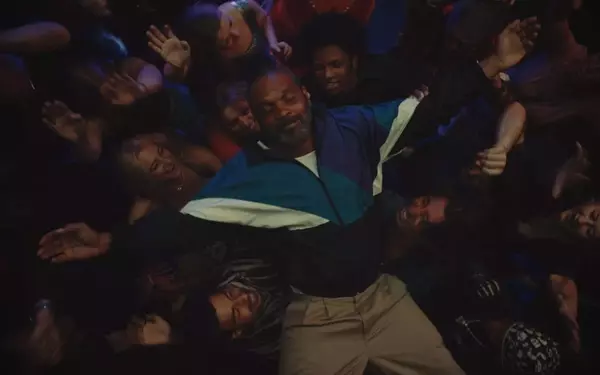
South Korean filmmaker Lee Chang-dong has long stood as a monumental figure in international art-house cinema, renowned for his emotionally resonant and intellectually rigorous explorations of social reality. His latest cinematic offering examines the intricate intersections of economic vulnerability, personal dignity, and human connection within modern industrial society. The narrative centers on the complex dynamic that unfolds when a displaced industrial worker coping with deep-seated trauma encounters an affluent documentary creator who seeks to capture his story on camera. Through this relationship, the project scrutinizes the ethical dilemmas inherent in artistic expression, questioning whether creative works can genuinely illuminate real-world suffering or if they inevitably turn personal hardship into aesthetic consumption. Financed through major digital distribution channels while preserving complete creative autonomy, the project highlights the artist's steadfast commitment to philosophical depth and narrative integrity. Beyond its immediate backdrop of labor disputes and socioeconomic disparity, the film functions as a sweeping meditation on empathy, challenging viewers to consider how meaningful human bonds can survive amidst pervasive societal fractures. As the work garners immense acclaim at international film festivals and during awards season, it reinforces the auteur's reputation for crafting nuanced, deeply compassionate stories that confront the painful paradoxes of contemporary existence.
The origins of the narrative trace back to real-world labor conflicts that reshaped industrial communities, yet the underlying thematic focus evolved over time to encompass broader shifts in the global workforce. The director felt an imperative to move beyond simple historical reenactment, choosing instead to address the growing precarity of labor in an increasingly automated and capital-driven world. By introducing a self-aware artist figure within the storyline, the project directly confronts the auteur's own misgivings regarding the representation of marginalized communities. This structural choice allows the work to reflect upon its own gaze, evaluating whether the depiction of pain serves a higher moral purpose or merely provides dramatic material for privileged audiences.
Technical craftsmanship on set mirrored this pursuit of authenticity, favoring naturalistic lighting and organic camera movements over hyper-stylized visual techniques. During key sequences set against dramatic coastal landscapes, the crew actively collaborated to simulate natural elements, demonstrating a shared commitment to the director's exacting standards. Rather than relying on artificial embellishments, the production embraced a raw, grounded visual style that complements the quiet intensity of the performances. The creative atmosphere fostered on set allowed the cast and crew to fully comprehend the thematic weight of every scene, ensuring that every visual detail aligned with the broader philosophical inquiry.
Central to the film's climax is an exploration of personal reclamation and vulnerability between individuals separated by vastly different economic realities. Characters confront one another stripped of status symbols, highlighting the fundamental truth that societal hierarchies are built on material structures rather than inherent human worth. The narrative suggests that while economic systems often dictate individual destinies, moments of shared humanity and emotional honesty offer a pathway toward spiritual recovery. By juxtaposing personal grief with universal symbols like the night sky, the story highlights how basic human dignity transcends artificial social boundaries.
Ultimately, the director's work stands as a testament to the transformative power of empathetic storytelling in a world increasingly marked by isolation and fragmentation. By fearlessly questioning the ethics of art, the realities of class division, and the potential for genuine human connection, the narrative invites audiences to reflect deeply on their own relationships with others. The film reinforces the idea that despite the overwhelming pressures of modern socio-economic systems, the persistent effort to understand and love one another remains humanity's most essential endeavor.