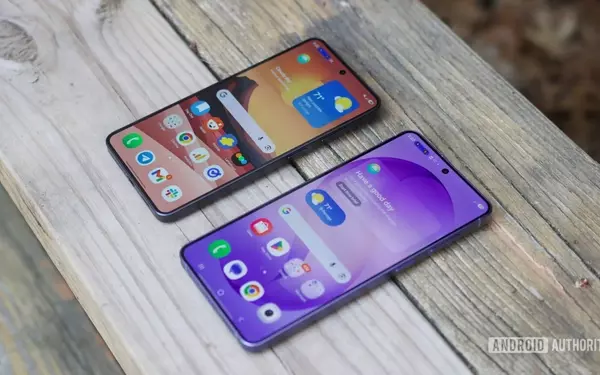
The latest firmware evaluation initiative from Samsung provides early access to next-generation software features across participating markets. With deployment expanding into several key international locations, device owners can test newly integrated capabilities spanning camera adjustments, dynamic interface elements, and privacy protocols. This preview allows tech enthusiasts to explore upcoming enhancements while providing critical operational feedback to developers prior to a full system release.
Among the standout updates featured in this trial package are customized interface options, augmented desktop-style workspace modes, and heightened application security measures. By incorporating dynamic visuals alongside practical digital wellness tools, the release aims to offer a holistic upgrade experience. Participants can easily access the update package through system settings once regional registration requirements are fulfilled.
Global Availability and System Deployment Details
The initial phase of this experimental operating system build is now accessible to owners of modern flagship handheld devices in broad regions across the globe. Enthusiasts situated in North America, selected European territories, and key Asian markets can take part in testing the new release. The package download requires a notable amount of storage capacity, ranging around three to four gigabytes, making a stable internet connection essential prior to initiating the installation. Identified by distinct firmware version markers, this software build represents a significant step in refining daily handheld operations across supported hardware models. To obtain the preliminary installation files, eligible participants must utilize the manufacturer's dedicated community application to register their interest before triggering the system update check within their device's main settings menu. This structured release strategy ensures that software performance and network reliability are carefully monitored as regional adoption expands, allowing system engineers to collect crucial feedback across diverse operating conditions. Furthermore, providing broad access in major markets ensures a comprehensive test bed for identifying potential software hiccups before the final build hits millions of worldwide consumer devices.
Obtaining early software access requires users to navigate specific registration procedures using official mobile application utilities. Once registered within the designated support portal, device holders can prompt their hardware to download the necessary system files directly from official servers. Early feedback from participants indicates that build codes vary slightly depending on regional carrier configurations and device specifications, though all variations share the core functional upgrades designed for this testing cycle. Because beta releases can occasionally present minor stability issues or software glitches, users are generally advised to create comprehensive data backups prior to applying the update. The overall file size highlights the scope of changes contained within the download, encompassing low-level kernel optimizations along with front-facing graphical alterations. Beyond mere aesthetic tweaks, these initial testing builds are designed to assess overall system responsiveness under varied conditions, ensuring that power management, cellular connectivity, and application compatibility remain optimal. Device owners eager to test cutting-edge capabilities are finding that the setup process is relatively seamless once registration is approved, offering a direct glimpse into the future direction of mobile software interfaces.
Key Feature Enhancements and User Experience Upgrades
A substantial number of functional alterations are introduced in this update, elevating both personal customization and platform utility. Photography enthusiasts will notice tailored controls and modified spatial metrics within the optical capturing tool, allowing for more intuitive adjustments during image capture. Beyond multimedia tools, the lock interface gains interactive graphical effects that dynamically react to movement, alongside customizable temporal display options. Furthermore, privacy and focus have been heavily prioritized through expanded application isolation features, additional security layers for confidential content, and deliberate delay options intended to curb impulsive phone usage. Desktop environment performance has also been refined with automatic window organization tools to streamline multitasking workflows. Together, these modifications establish a more versatile environment that caters equally to entertainment, security, and productivity needs across various usage scenarios.
Diving deeper into the specific modifications reveals a refined attention to modern user requirements and interface fluidness. The native camera interface has been restructured to accommodate custom control placement and user-defined shooting configurations, replacing traditional zoom figures with focal length measurements that appeal to photo enthusiasts. Visually, interactive wallpaper effects leverage onboard motion sensors to create a layered depth illusion as the hardware moves, creating a lively visual entry point upon unlocking. Timekeeping displays on the lock screen now grant greater flexibility, enabling users to keep detailed time indicators visible for extended periods according to personal preference. Meanwhile, notification banners incorporate specialized visual animations that highlight live sports milestones and match outcomes in real time. For privacy-conscious individuals, the operating system introduces advanced application locking along with enhanced screen protection modes designed to prevent unwanted visual access to sensitive files or secure folders. Digital balance management receives a boost through delayed application launching tools designed to encourage mindful screen habits. Finally, the expanded desktop interface introduces intelligent screen-splitting functions, making connected display usage far more efficient when multitasking across complex desktop projects. Each of these improvements works in harmony to deliver a polished, modern, and highly responsive user experience.