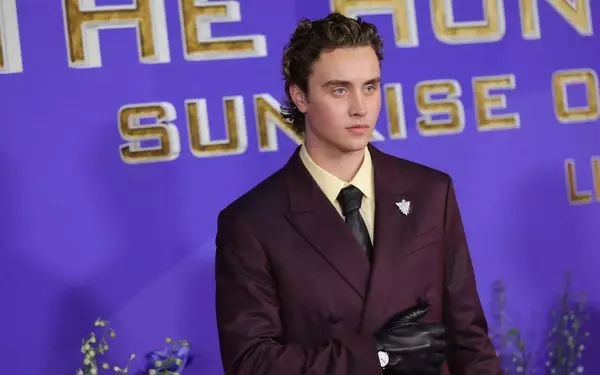
The Screen Actors Guild – American Federation of Television and Radio Artists (SAG-AFTRA) is currently experiencing considerable internal turmoil following its decision to remove numerous members for unpaid dues. This reinstatement of a pre-pandemic policy, which mandates termination for those over 18 months in arrears, comes at a challenging time for many performers. One notable example is actor Colton Little, who, despite steady work, found himself unable to meet his financial obligations to the union, having to prioritize essential living expenses over membership fees. His situation mirrors that of countless others grappling with precarious employment in the entertainment industry.
Adding to the growing dissatisfaction is the recent approval of a substantial contract extension and a 15% salary increase for Duncan Crabtree-Ireland, the national executive director, who already held the position of the highest-earning union official in Hollywood. This decision, made just before thousands of members lost their standing, has been widely perceived by some as ill-timed and insensitive. While union President Sean Astin defends the early contract renewal as a strategic move to ensure stability, critics within the union, including unsuccessful leadership candidates, voice strong opposition. They cite a significant crisis of confidence, questioning the union's financial transparency, its negotiation strategies, and its commitment to safeguarding members' welfare, particularly regarding pensions, healthcare, and emerging issues like artificial intelligence.
The overarching sentiment of anxiety within the acting community is further amplified by a severe downturn in production and escalating costs of living, which directly impact actors' ability to maintain union membership and qualify for health benefits. Many actors are struggling to meet the increasing income thresholds required for union health insurance, forcing them into more expensive private plans. While the executive director acknowledges the widespread stress caused by these industry-wide challenges, he emphasizes the importance of consistent dues payments for the union's financial health and perceived fairness among paying members. Individual accounts, such as Little's attempts to discuss payment options only to be met with apparent indifference, highlight a perceived disconnect between the union's administration and the practical realities faced by its members.
In these times of significant transition and uncertainty, the experiences of individual artists like Colton Little underscore the profound dedication many hold for their craft, even when confronting systemic pressures. Their commitment to acting remains unwavering, prompting them to adapt and seek new pathways rather than abandon their artistic pursuits. This collective resilience serves as a powerful testament to the enduring passion for performance, reminding us that true artistry persists and evolves, continually finding strength and inspiration amidst adversity.