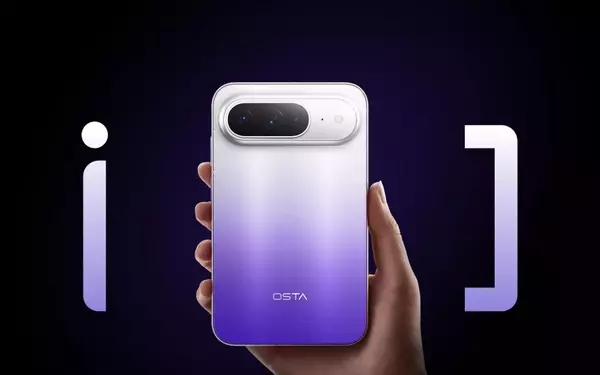
Google's latest Pixel devices have significantly enhanced its competitive standing in the US smartphone sector, though challenges persist. Google's Pixel 11 lineup provided a substantial lift to its market presence in the United States, effectively doubling its shipment share from 3% in the second quarter of 2026 to 6% in the third quarter. This expansion, highlighted by recent market analysis, signals a positive shift for Google, occurring shortly after the Pixel 11 series' August release. Despite this quarterly growth, the company remains in fourth place, trailing industry leaders Apple, Samsung, and Motorola, and has yet to reclaim its 7% share from the same period in the prior year with the Pixel 10 series.
While Google celebrated gains, key competitors Samsung and Motorola faced notable contractions in their market shares. The recent market dynamics saw both Samsung and Motorola experiencing declines. Samsung's US shipment share dropped from 30% in Q2 to 25% in Q3, despite strong initial interest in its innovative widescreen foldable device, the Z Fold 8. Meanwhile, Motorola witnessed a more pronounced setback, with its market share falling from 11% to 8% both quarter-over-quarter and year-over-year. These shifts underscore the intense competition and fluctuating consumer preferences within the US smartphone landscape, with Google's success seemingly coming at the direct expense of these established players.
Apple continues to solidify its commanding lead in the US smartphone market, even as the overall sector experiences a downturn. Apple maintained its formidable position as the leading smartphone vendor in the US, demonstrating consistent growth across both quarterly and yearly metrics. The Cupertino tech giant successfully expanded its market share to an impressive 57%, representing a 7% increase year-over-year and a 3% rise quarter-over-quarter. Apple's sustained dominance means it controls over half of the American market, leaving its Android rivals to contend for the smaller, remaining portion. The broader US smartphone market, however, registered an overall 9% year-over-year decrease in shipments, primarily attributed to widespread global memory component shortages.
This evolving market narrative underscores the relentless innovation and strategic agility required in the technology sector. As companies navigate both successes and challenges, the pursuit of technological advancement and user-centric design remains paramount. The continuous drive to deliver superior devices not only shapes market leadership but also enriches the digital lives of consumers, fostering a future where innovation thrives and choice abounds.