Following a challenging period, the luxury watch industry experienced a notable resurgence in 2026, marked by a 2.7% increase in export value. This recovery was largely propelled by burgeoning markets in India, Thailand, and Mexico, which saw substantial growth of 28.5%, 8.6%, and 6.2% respectively. Conversely, traditionally dominant markets such as China and Saudi Arabia faced downturns. In response to the previous year's difficulties, many brands reevaluated their investment strategies, shifting away from costly, high-profile sponsorships to focus on initiatives that promised more direct and measurable returns. This strategic evolution led to innovative collaborations with artists and the recruitment of new brand ambassadors, particularly from non-Western regions, redefining how luxury timepieces connect with a global audience. The industry also witnessed a surge in unique cross-brand partnerships, aiming to broaden appeal and enhance brand narrative, indicating a robust and adaptable market landscape.
The transformation in ambassadorships was a key trend, moving beyond mere campaign appearances to involve personalities in the actual design process of timepieces. For example, Audemars Piguet partnered with tennis legend Serena Williams to co-create a watch, while Movado enlisted rapper Ludacris, and Hublot collaborated with designer Samuel Ross. A significant aspect of this evolution was the rise of partnerships with talents from South Korea, Thailand, and India, reflecting the growing importance of these markets. Rolex, for instance, appointed Priyanka Chopra Jones as its first Indian entertainment celebrity ambassador, acknowledging India’s impressive 28.5% growth in watch imports. Similarly, Cartier expanded its Thai ambassador portfolio with actor PP Krit Amnuaydechkorn, and Hublot secured Jung Kook from the K-pop sensation BTS, leveraging his massive social media influence. These strategic alliances demonstrate a clear industry focus on tapping into diverse cultural landscapes and expanding consumer bases.
Brands also ventured into unexpected collaborations, moving beyond the conventional sports and automotive realms. The visual arts emerged as a new creative canvas, with Vacheron Constantin launching a mentorship program with The Met and Piaget collaborating with The Andy Warhol Foundation. More surprisingly, Roger Dubuis partnered with tattoo artist Dr Woo, and Hublot teamed up with artist Jeff Koons for distinctive timepieces, like the Hublot Classic Fusion Balloon Dog and the gem-set MP-14 Origin. These ventures aimed to cultivate new audiences and infuse brand DNA with novel features, making luxury watches more accessible and less intimidating. Furthermore, watch brands engaged in direct collaborations with each other, with the Audemars Piguet and Swatch Royal Pop collection being a prime example of a 'high-low' partnership that generated immense public interest and introduced luxury concepts to a broader demographic. This bold move by Swatch, deviating from its usual collaborations within its own portfolio, showcased a willingness to innovate at varying price points, sparking considerable excitement, albeit occasionally leading to chaotic launch events.
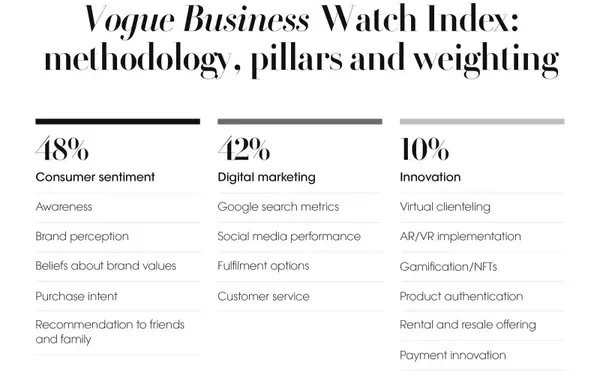
In 2026, consumer preferences reinforced these industry shifts, with a survey revealing that limited-edition watches, resale services, and brand experiences were the most exciting developments. Limited editions captivated 70% of global luxury watch buyers, a figure that climbed to 76% among Chinese consumers. Resale services maintained consistent appeal across generations, achieving a median excitement level of 60%. Novel brand experiences particularly resonated with the 25-to-34 age group, with 66% expressing enthusiasm. Meanwhile, the innovation ranking saw dynamic changes, with Breitling securing the top spot, followed by IWC and Cartier. Brands like Longines, Montblanc, Panerai, and Piaget also demonstrated significant advancements through strategic niche sports sponsorships, cultural exhibitions, and technological adoptions such as virtual try-ons and digital product passports. The industry’s commitment to embracing these consumer demands and innovative strategies indicates a forward-looking approach to sustained growth.