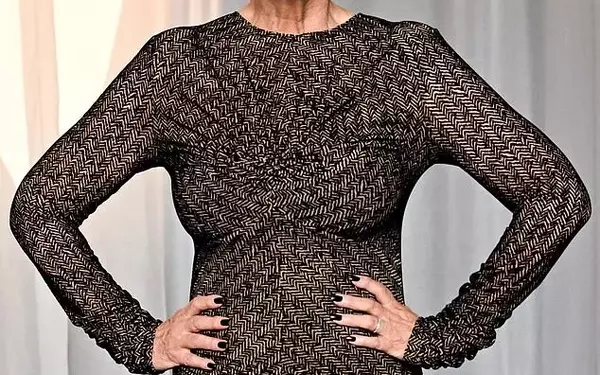
Holland Cooper, a fashion brand synonymous with British countryside luxury, presents a carefully curated image of heritage and artisanal quality. However, a recent inquiry reveals several discrepancies between this public perception and the operational realities of the company. Despite the brand's strong emphasis on 'Great British excellence,' a considerable portion of its product range, including denim and outerwear, is manufactured in various international locations such as Turkey, India, China, and Portugal. This global production model contrasts with the brand's marketing, which often highlights its British roots and bespoke tailoring. Furthermore, the company's ethical footprint has been critically assessed, receiving a mediocre score from independent guides due to a notable absence of publicly available information regarding its environmental impact, animal welfare policies, and supplier codes of conduct, raising questions about its commitment to transparency in ethical practices.
Adding to the complexity, the personal narrative of Holland Cooper's founder, Jade Holland Cooper, often portrays a story of entrepreneurial ascent from modest beginnings. Yet, a deeper investigation into her background indicates a more privileged upbringing and significant advantages. Her family holds considerable wealth, and her marriage to Julian Dunkerton, co-founder of Superdry, further solidifies her access to substantial financial and social capital. This affluent foundation challenges the 'rags-to-riches' tale often associated with the brand's origins, suggesting that while her ambition and success are undeniable, the path to building her fashion empire was paved with substantial personal and financial support. This broader context offers a nuanced understanding of the forces that have shaped the Holland Cooper brand and its glamorous founder.
Manufacturing & Ethics: Unveiling Holland Cooper's Global Footprint
Holland Cooper's branding heavily emphasizes its British heritage, often showcasing images that evoke classic English countryside elegance and quality craftsmanship. However, this meticulously crafted image faces scrutiny when examining its manufacturing origins and ethical commitments. While certain premium items like tailoring and woolens are indeed produced within the UK, a substantial segment of the brand's apparel, particularly denim, knitwear, and outerwear, originates from a diverse range of international factories located in countries such as Turkey, Portugal, India, and China. This global production strategy contrasts sharply with the brand's persistent narrative of 'Great British excellence,' leading to questions about the authenticity of its claims and its adherence to a fully localized manufacturing promise.
Beyond geographical origins, concerns have also been raised regarding Holland Cooper's ethical standing. Independent evaluations, such as those from the Good Shopping Guide, have placed the brand in a mid-tier category for ethical performance, falling below established benchmarks. This assessment stems primarily from a significant lack of transparency in the company's public disclosures. Critics note the absence of comprehensive environmental reports, clear animal welfare policies, published supplier codes of conduct, or affiliations with recognized ethical trading initiatives. For a luxury brand that projects an image of traditional values and quality, this opacity around its supply chain and ethical responsibilities presents a challenge, as modern consumers increasingly demand accountability and clear evidence of sustainable and responsible practices from the brands they support. The discrepancy between the brand's aspirational image and its disclosed operational details invites a more critical examination of its commitment to both 'excellence' and ethical responsibility.
The Entrepreneur's Journey: Beyond the 'Humble Beginnings' Narrative
Jade Holland Cooper, the driving force behind the eponymous fashion label, has often presented her entrepreneurial journey as a quintessential tale of self-made success, beginning with a modest stall selling tweed miniskirts. This 'humble beginnings' narrative has become a cornerstone of the brand's story, inspiring many with its message of perseverance and hard work. However, a deeper look into her personal history reveals a background marked by considerable privilege and access to significant resources. Her upbringing was far from modest, characterized by a wealthy family, attendance at elite private schools, and connections within affluent circles. This foundation provided a substantial head start that many aspiring entrepreneurs do not possess, subtly shifting the perception of her journey from a pure 'rags-to-riches' story to one where talent and ambition were amplified by existing advantages.
Her extensive network and financial backing have played a pivotal role in the brand's rapid ascent. Married to Julian Dunkerton, the co-founder of the highly successful Superdry brand, Jade Holland Cooper benefits from a vast personal fortune and influential business insights. Her mother was a notable fashion designer with high-profile clients, further cementing her early exposure to the industry. The couple resides on a sprawling, multi-million-pound estate in the Cotswolds, a lifestyle that itself serves as a living advertisement for the luxurious country aesthetic Holland Cooper promotes. This confluence of inherited wealth, strategic marital alliance, and inherent social capital has undoubtedly facilitated the brand's expansion into a comprehensive lifestyle empire, encompassing hotels, farm shops, and a diverse product line. While her ambition and business acumen are undeniable, acknowledging the profound advantages that underpinned her path offers a more realistic and comprehensive understanding of the forces that propelled Holland Cooper to its current prominence, moving beyond a simplified narrative of self-made achievement.