Where Couture Meets Camera: Crafting Visual Legacies.
The Grand Overture: Fashion Week Transformed into Cinematic Spectacle.
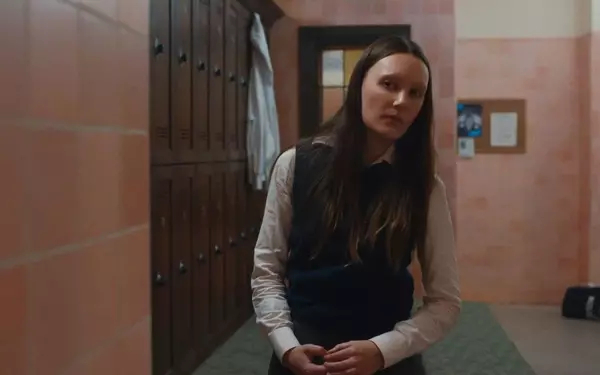
The contemporary fashion landscape is witnessing a dramatic fusion with the art of filmmaking, setting a new precedent for how collections are introduced. A prime example is Matthieu Blazy’s debut M←tiers d’art presentation, which was prefaced by a dreamlike short film from visionary director Michel Gondry. This cinematic prelude, featuring notable figures Margaret Qualley and A$AP Rocky, established a captivating narrative of urban encounter and romance, culminating in a public proposal. This storyline seamlessly transitioned into the live runway event, where models embodied distinct metropolitan personas within a re-purposed subway station, blurring the lines between an everyday commute and a meticulously crafted cinematic scene. This innovative approach underscores a growing sentiment that fashion designers are akin to film directors, orchestrating characters and moods that invite individuals to inhabit a feeling, not just wear a garment.
A Legacy Intertwined: Fashion’s Enduring Fascination with the Silver Screen.
The connection between high fashion and motion pictures is a storied one, dating back to pioneers like Coco Chanel, who designed for celebrated filmmakers, and Hubert de Givenchy, whose iconic creations for cinematic legends defined an era. Today, this reciprocal relationship has intensified, with designers drawing inspiration from film aesthetics, as seen in collections that feature imagined movie posters. Conversely, cinematic productions are now spotlighting the intricate world of haute couture itself, delving into the unseen artistry and labor behind the exquisite garments. This mutual influence signifies a deeper appreciation for narrative and visual impact within both realms, showcasing how each art form enriches the other in a continuous creative dialogue.
Cultivating Cinematic Talent: Brands as Patrons of Emerging Filmmakers.
As the cultural landscape experiences a renewed passion for film, evidenced by platforms that transform film appreciation into social experiences, the fashion industry has strategically deepened its engagement with this medium. Beyond commissioning cinematic advertisements, leading brands are now actively investing in and producing significant film projects. Initiatives like “Through Her Lens: The Tribeca Chanel Women’s Filmmaker Program” exemplify this commitment, offering critical mentorship and financial backing to budding female and nonbinary directors. Similarly, Miu Miu’s “Women’s Tales,” launched over a decade ago, has become a pivotal platform for celebrated female auteurs to share their distinct narratives. These pioneering programs signal a broader shift, establishing fashion houses not just as purveyors of style, but as influential patrons fostering the next generation of cinematic storytellers.
Powerhouse Collaborations: Luxury Labels Embrace Film Production.
The convergence of fashion and film has reached an unprecedented level, with major luxury houses forging significant partnerships and establishing their own production entities. Dior recently announced a multi-year creative alliance with A24, the acclaimed studio known for its distinctive, auteur-driven films. This collaboration extends across various artistic mediums, including film, theater, and live events, and was launched with an engaging short film that playfully explored the essence of creative direction. Concurrently, Saint Laurent Productions, established by its former creative director, has successfully financed and produced critically acclaimed features by visionary filmmakers. Not to be outdone, Rolex has significantly invested in the future of cinema by supporting prestigious student film awards, partnering with major film festivals, and acting as a foundational supporter for leading motion picture museums. These strategic moves underscore a clear commitment by fashion giants to actively shape and contribute to the cinematic arts.
Beyond the Hype: Film as a Canvas for Authentic Storytelling.
The evolving relationship between fashion and film offers brands an unparalleled opportunity to transcend mere product display and build expansive, memorable universes. Industry observers note that as consumers grow weary of fleeting trends, cinematic collaborations provide a crucial layer of depth and resonance. By aligning with visionary directors, fashion houses can connect with a far broader audience, moving beyond traditional fashion enthusiasts to engage anyone interested in compelling narratives. This approach is exemplified by brands like Balenciaga, which commissioned a celebrated film director to create a character-driven short film where the designs subtly enhance the narrative rather than dominate it. This method prioritizes mood and story over overt product placement, illustrating that fashion serves as a powerful, accessible vehicle for storytelling, inviting viewers to explore worlds where clothes are integral to the unfolding drama, ultimately living beyond the runway and shop floor.