A heated controversy has erupted within the popular reality show 'I'm A Celebrity... Get Me Out Of Here!' following remarks made by journalist Mariella Frostrup towards fellow contestant AJ Odudu. The incident has drawn significant attention, particularly from comedian and television personality Judi Love, who has publicly addressed the broader implications of such comments for black women. This discussion has compelled the show's broadcaster, ITV, to reiterate its policies on appropriate language and its dedication to fostering an inclusive environment.
Celebrity Dispute Ignites Broader Discussion on Racial Stereotypes
In a recent episode of the wilderness survival program 'I'm A Celebrity... Get Me Out Of Here!', which unfolded in the Australian jungle, television presenter and journalist Mariella Frostrup, aged 64, engaged in a culinary disagreement with fellow campmate AJ Odudu, 38. During the heated exchange over kitchen duties, Frostrup described Odudu as 'aggressive and dramatic'. These characterizations quickly sparked a significant online backlash, with many viewers accusing Frostrup of perpetuating harmful racial stereotypes, specifically noting that labeling black women as 'aggressive' is a deeply ingrained and damaging trope.
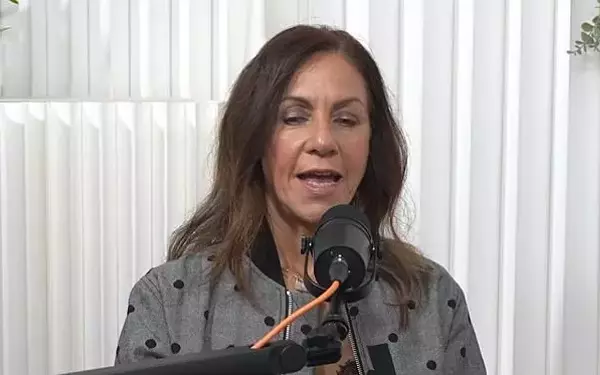
Responding to the burgeoning controversy, Judi Love, a well-known comedian and a colleague of Frostrup's from the panel show 'Loose Women,' shared her perspective via an Instagram video. Love underscored that for black women, encounters with such labels are common 'lived experiences in most spaces,' from workplaces to schools. She expressed her distress at Odudu's need to apologize in an attempt to de-escalate the situation, interpreting it as a defensive mechanism against being unfairly stereotyped. Love highlighted that Odudu's calm response to the repeated accusation of being 'aggressive' resonated deeply with many black women who have faced similar prejudices.
The incident escalated to the point where ITV, the broadcasting network, intervened. A show insider confirmed to the Daily Mail that producers spoke with Frostrup regarding her 'offensive, outdated and inappropriate terminology.' ITV emphasized that all participants receive comprehensive training from its Diversity, Equity, and Inclusion team. This training aims to provide guidance on inclusive language and respectful communication across various sensitive areas, including disability, neurodivergence, diversity, and the LGBTQ+ community. The network reiterated its commitment to creating an open environment where individuals can be corrected and learn from their mistakes, stressing that they monitor camp dynamics continuously and will act if boundaries are crossed to ensure the well-being and support of all contestants.
The online debate reflected a divided public opinion. While many rallied behind Odudu, condemning Frostrup's language as a 'microaggression' and calling for official warnings, others argued that the dispute was not racially motivated but rather another instance of Frostrup's generally 'unpleasant and rude' demeanor within the camp, suggesting it was merely a power struggle over cooking responsibilities.
This celebrity confrontation on a reality television show has thus transcended typical camp drama, igniting an important public discourse on racial biases and the responsibility of language, particularly in high-profile media environments.
This incident on 'I'm A Celebrity' serves as a crucial reminder of the persistent and often subtle nature of racial bias. From a societal perspective, it highlights how easily damaging stereotypes can surface, even in seemingly trivial situations, and the profound impact such labels can have on individuals, particularly those from marginalized communities. It also underscores the evolving role of media organizations like ITV in fostering inclusive environments and actively addressing instances of inappropriate language. For viewers, it prompts a necessary introspection into how we perceive and label others, urging a greater awareness and sensitivity to the 'lived experiences' that shape interpersonal dynamics.